The P.O.L.I.C.E. Method: A Comprehensive Approach to Recover from Injuries

Elias Owis

Software Engineer

Introduction

When it comes to recovering from sports injuries, it’s crucial to follow the right approach for optimal healing and return to normal activity. While the R.I.C.E. (Rest, Ice, Compression, Elevation) method has long been popular, a more advanced and effective approach is gaining recognition—the P.O.L.I.C.E. method. In this article, we will delve into the P.O.L.I.C.E. method, its components, and why it may be the best strategy for recovering from injuries. Let’s explore this comprehensive approach step by step.

Understanding the P.O.L.I.C.E. Principle for Injury Recovery

A closer look at the acronym and its significance

Protection

Resting and ensuring adequate protection for the injured area
The initial phase after an injury involves resting the injured joint, ligament, or muscle to prevent further damage. It is essential to provide adequate protection to the injured area during this period. For instance, if you have injured your ankle or knee, utilizing assistive devices like crutches can offer support and stability while walking.
Optimum Loading

Gradually reintroducing motion and promoting healing​
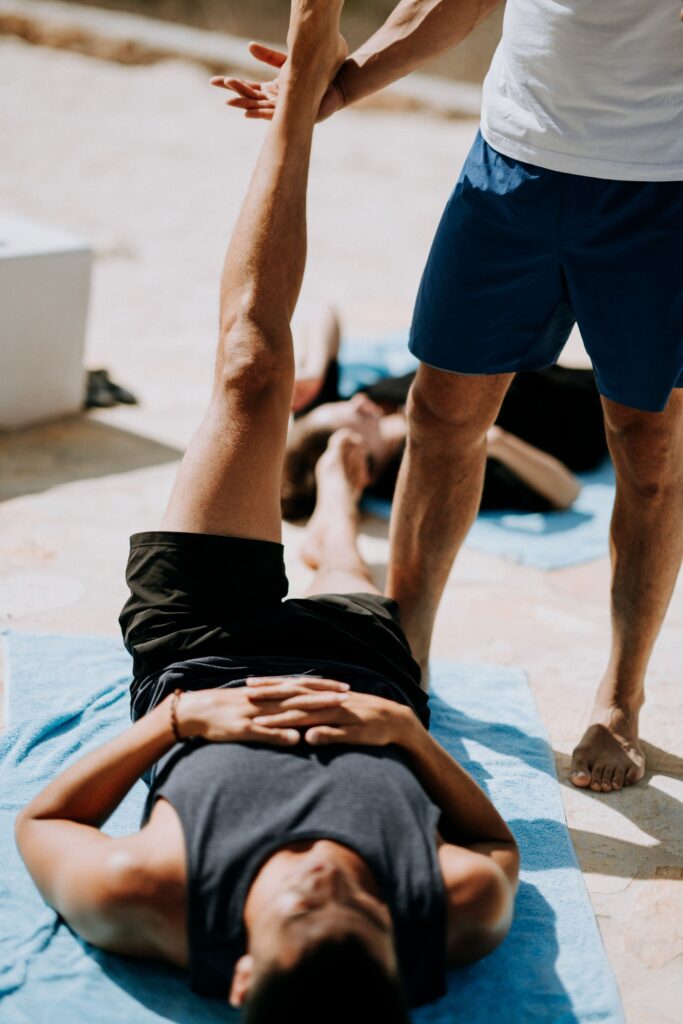
Following the protection phase, it is crucial to engage in gentle motion to stimulate healing. Optimum loading involves progressively increasing the range of motion exercises and incorporating strengthening exercises. This approach helps prevent joint and muscle stiffness, as well as muscle atrophy, allowing for a more effective recovery.

Ice

Reducing swelling and managing acute pain

Applying ice to the injured area helps manage swelling and provides relief from acute pain. It is recommended to wrap ice or cold packs in a soft cloth or towel to avoid direct contact with the skin. Your physiotherapist can guide you on the best way to apply ice based on your specific injury.

Compression

Enhancing the benefits of ice and protecting the injured area​

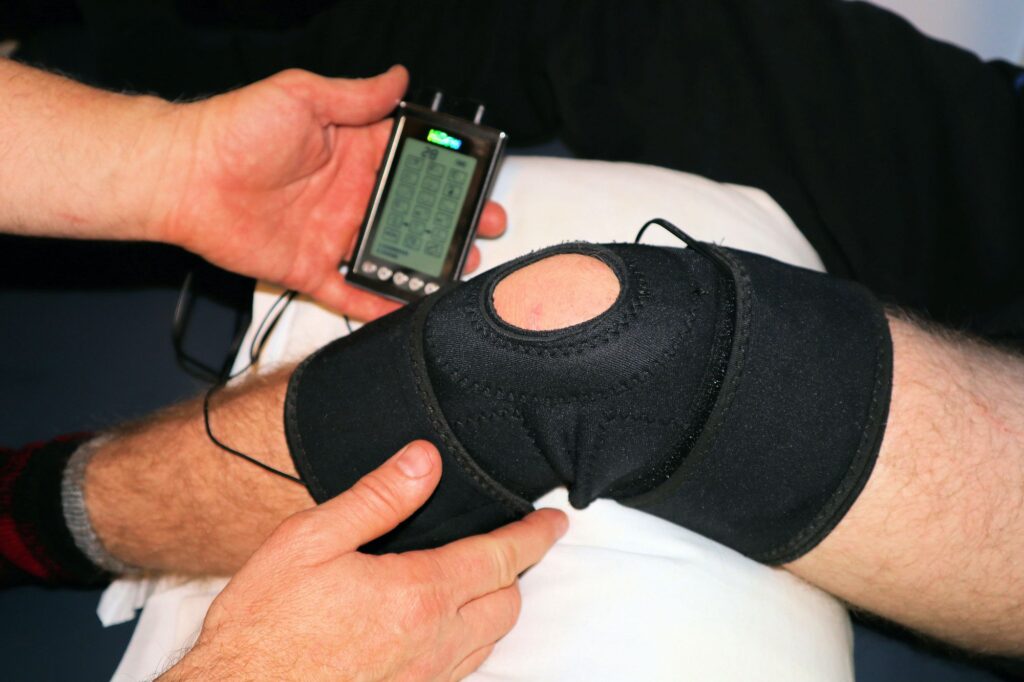
While applying ice, adding compression to the injured joint or muscle can further aid in reducing swelling and protect the skin. Specialized products like ice wraps can provide both cooling and compression simultaneously, optimizing the recovery process.

Elevation

Promoting proper blood flow and reducing inflammation

Elevating the injured area is particularly beneficial for certain body parts. Placing an injured ankle or knee on a stack of pillows while lying down helps promote proper blood flow and decrease inflammation. For injuries to the elbow or wrist, elevating the entire arm using a pillow or cushion is recommended. Your physiotherapist can provide guidance on the best way to elevate your specific injury.

The Advantages of the P.O.L.I.C.E. Method for Injury Recovery

Why the P.O.L.I.C.E. method is gaining recognition?
The P.O.L.I.C.E. method offers several advantages over the traditional R.I.C.E. approach. While R.I.C.E. focuses on rest as a primary component, the P.O.L.I.C.E. method emphasizes protection and optimal loading, promoting early mobilization and preventing muscle weakness and stiffness caused by prolonged rest. Additionally, the P.O.L.I.C.E. method effectively addresses swelling and pain through ice application, compression, and elevation.

How Physiotherapy Can Help: The role of physiotherapy in injury recovery

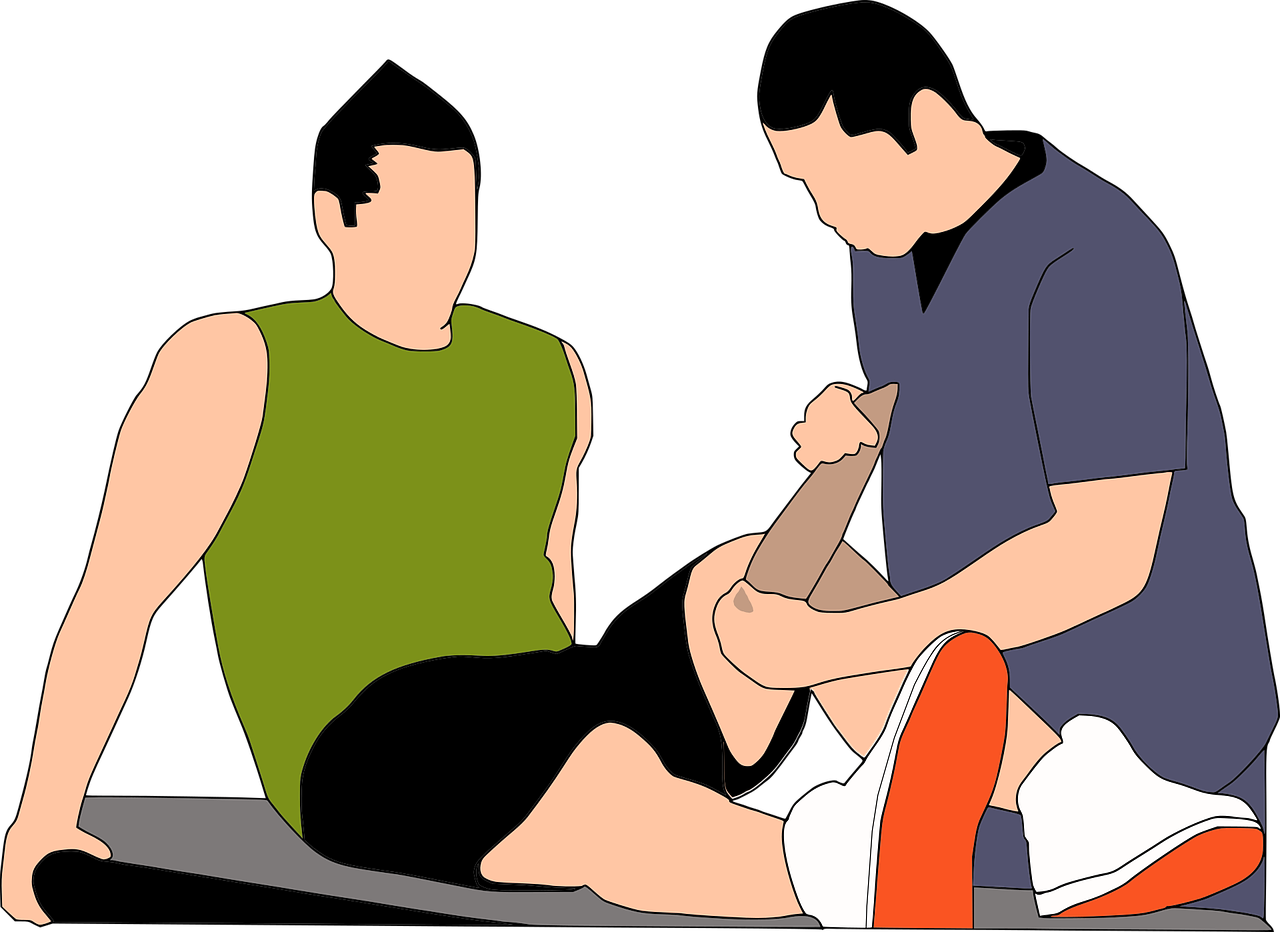
Physiotherapy plays a vital role in the implementation of the P.O.L.I.C.E. method. Physiotherapists can provide expert guidance on injury-specific protection requirements, optimal loading exercises, and rehabilitation plans tailored to your unique needs. They ensure that you progress in your recovery journey and regain strength and mobility as you return to normal activity.

FAQs (Frequently Asked Questions)

Q1: Is the P.O.L.I.C.E. method suitable for all types of injuries?
A1: The P.O.L.I.C.E. method is generally effective for most injuries. However, it’s important to consult a healthcare professional or physiotherapist for a proper assessment and personalized guidance.

Q2: Can I apply the P.O.L.I.C.E. method without professional assistance?
A2: While the P.O.L.I.C.E. method can be attempted on your own, it’s recommended to seek advice from a healthcare professional, particularly for more severe injuries or if you’re unsure about the appropriate approach.

Q3: How long should I follow the P.O.L.I.C.E. method for recovery?
A3: The duration of following the P.O.L.I.C.E. method varies depending on the nature and severity of the injury. Your physiotherapist will provide specific instructions and monitor your progress to ensure an optimal recovery timeline.

Conclusion

The P.O.L.I.C.E. method offers a comprehensive and advanced approach to injury recovery, surpassing the traditional R.I.C.E. method. By emphasizing protection, optimal loading, ice application, compression, and elevation, this method promotes faster healing, reduces swelling, manages pain, and prevents complications associated with prolonged rest. If you have sustained a sports injury or are looking to recover from an acute soft tissue injury, try P.O.L.I.C.E. method effectively to return to your life as soon as possible.

If you liked this content, please share it.

Leave a Comment

Your email address will not be published. Required fields are marked *

Scroll to Top